Choosing the Right Charcoal for Your Grill
- Understand different types of charcoal: lump charcoal, briquettes, and others.
- Learn how each type affects grilling temperature and flavor.
- Discover key factors to consider when selecting charcoal for your grilling needs.
When it comes to grilling, the type of charcoal you use can make a significant difference in flavor and cooking performance. Whether you’re a dedicated grill master or just starting out, understanding the options available to you is crucial for achieving the best results. Let's dive into the types of charcoal and key considerations for making the right choice.
Types of Charcoal
There are several types of charcoal, each with unique characteristics that can affect your grilling experience. Here’s a breakdown of the most common options:
| Type of Charcoal | Description | Best For |
|---|---|---|
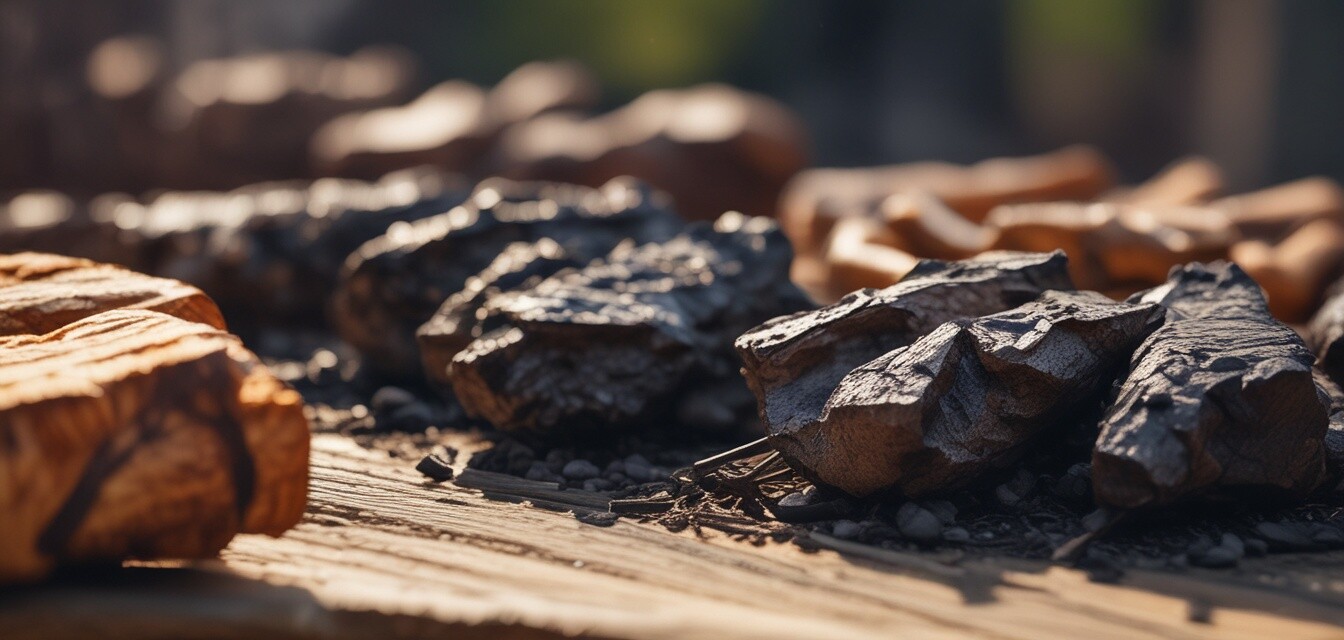
| Lump Charcoal | Natural wood pieces that have been carbonized. | High-heat grilling and smoking. |
| Briquettes | Compressed charcoal with additives for consistent burning. | Long and steady cooking. |
| Charcoal Pellets | Made from compressed sawdust and other natural materials. | Wood pellet grills and flavoring. |
| Flavored Charcoal | Includes additives like herbs and spices for extra flavor. | Enhancing the flavor of grilled foods. |
| Coconut Charcoal | Made from coconut husks, burns longer and hotter. | Eco-friendly grilling. |
How to Choose the Right Charcoal
When selecting charcoal for your grill, consider the following factors:
- Heat Output: Different charcoals produce varying temperatures. Lump charcoal typically burns hotter than briquettes.
- Burn Time: Briquettes usually provide a longer burn time, ideal for low and slow cooking.
- Flavor: Consider whether you want natural wood flavors or enhancements from flavored charcoals.
- Availability and Cost: Some charcoals may be more accessible or affordable depending on your location.
- Environmental Impact: Look for sustainable options like coconut charcoal if eco-friendliness is a priority.
Charcoal and Cooking Techniques
Different cooking techniques require different types of charcoal:
- Direct Grilling: Lump charcoal works best for direct grilling where high heat is essential.
- Indirect Grilling: Briquettes are perfect for this method as they maintain a stable temperature over extended periods.
- Smoking: Using flavored wood chips with lump charcoal can add a unique taste to smoked dishes.
Storage and Handling Tips
Proper storage and handling of charcoal can enhance your grilling experience:
Beginners Section
- Keep charcoal in a dry place to prevent moisture absorption.
- Seal bags tightly after opening to maintain freshness.
- Always use a chimney starter for easy lighting and to avoid lighter fluid.
Frequently Asked Questions
Here are some common questions about charcoal that can help you make an informed decision:
What type of charcoal is best for grilling?
The best type depends on your grilling method. Lump charcoal is excellent for high heat, while briquettes are great for longer cooks.
Can I mix different types of charcoal?
Yes, mixing types can help you achieve desired temperatures and flavors, but do so carefully to maintain consistency.
Pros
- Natural flavors enhance grilling experience.
- Variety of options to suit different grilling techniques.
- Some types burn longer and hotter, improving cooking efficiency.
Cons
- Some types may contain additives that affect flavor.
- Not all charcoals produce the same heat level.
- Cost and availability may vary significantly.
Conclusion
Choosing the right charcoal can elevate your grilling game and ensure delicious results. Understanding the characteristics of each type is key to making an informed decision. Whether you prefer the high heat of lump charcoal or the steady burn of briquettes, knowing your options will help you achieve the flavor and cooking performance you desire. For more tips on charcoal and grilling, explore our Buying Guides section!